Pass First Time: The Ultimate Guide to Conquering the UK Driving Test
Published on 22 December 2025
Passing the UK driving test opens doors to freedom and new adventures. You gain the power to explore roads on your own terms, without relying on buses or lifts. Yet, with pass rates hovering around 48% for the practical test in recent years, many face setbacks. Changes like more focus on eco-driving and independent routes make it tougher. This guide walks you through every step. You'll learn how to book, prepare, and shine on test day. By the end, you'll have tools to boost your odds and drive away with your full licence.
Section 1: Prerequisites and Initial Steps for Booking Your Test
Getting ready starts with the basics. You need to meet rules and plan your lessons right. This sets a strong base for success in the UK driving test.
Meeting Eligibility Criteria and Provisional Licence Requirements
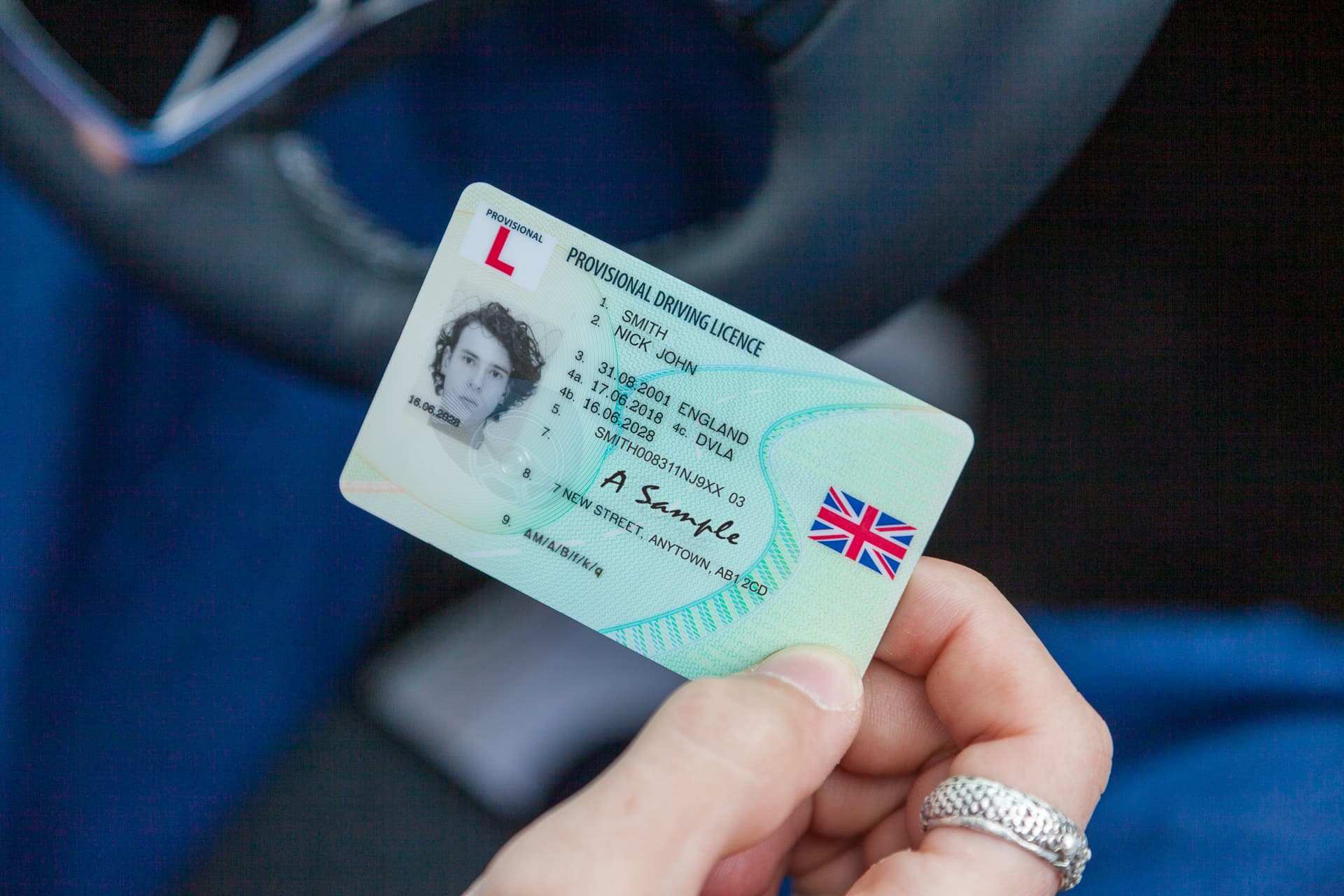
You must be at least 17 to take the car driving test. If you qualify for the enhanced mobility scheme, you can start at 16. Apply for your provisional licence through the DVLA website or by post. It costs about £34 online and arrives in a week. Once you have it, display 'L' plates when practising.
Check your eyesight too. Read a number plate from 20 metres in good light. If glasses help, wear them during the test. This simple step avoids early disqualification. Book your provisional early to avoid delays.
Understanding Approved Driving Instructor (ADI) Requirements and Practice Hours
Hire an Approved Driving Instructor for safe, structured lessons. They follow DVSA standards and spot bad habits early. Private practice with family works, but pair it with pro guidance. On average, learners need 45 hours of lessons plus 22 hours of private driving.
Mix up your practice spots. Drive in busy towns to build confidence. Hit rural lanes for speed control. Join motorways to learn lane discipline. This variety preps you for real roads and cuts test nerves.
Booking the Theory Test: The Crucial First Hurdle
The theory test has two parts: multiple-choice questions and the Hazard Perception Test. Book it online via the DVSA site for £23. You can schedule up to six months ahead, but slots fill fast in peak times.
Aim to pass it before practical lessons ramp up. The national pass rate sits at about 52%. Study hard to join that group. Delays here slow your whole journey to the full UK driving licence.
Section 2: Mastering the Official DVSA Theory Test
Theory knowledge keeps you safe on roads. Nail this first step to build momentum. Focus on rules that matter every drive.
Essential Study Resources for the Multiple-Choice Section
Use the official Highway Code book for core rules. Download the DVSA app for practice questions. These tools mirror the real test's 50 questions.
Understand concepts like speed limits or right of way. Don't just memorise answers. Short sessions of 20-30 minutes daily work best. Track your scores to see progress. This method helps you retain info without burnout.
Grab the Highway Code from bookshops or online.
Try free quizzes on driving school sites.
Join study groups for tricky topics like road signs.
Strategies for Acing the Hazard Perception Test (HPT)
The HPT shows video clips of road scenes. Click when you spot a hazard developing, like a pedestrian stepping out. Scores range from 0 to 75; aim for 44 to pass.
Time your clicks right. React early but not too soon. Common mistakes include over-clicking on safe spots. Practice with official DVDs or apps to sharpen your eye.
Driving experts from the IAM RoadSmart suggest watching for changes in traffic flow. Stay calm and trust your gut. Regular drills turn reactions into instincts.
Section 3: Preparing for the Practical Driving Test: Beyond Competence
Practical skills prove you can drive safely. Go beyond basics to handle test pressures. Master these to avoid faults that trip up most learners.
The Structure of the Modern Practical Driving Test
The test lasts about 40 minutes. It kicks off with an eyesight check: read a plate from 20 metres. Then, answer 'tell me' and 'show me' questions on vehicle checks, like how to test brake lights.
Next comes general driving, including the independent section. Follow sat-nav or road signs for 20 minutes. End with manoeuvres and pulling up safely. Examiners watch for smooth control throughout.
Deep Dive into Essential Driving Skills and Fault Categories
Watch junctions closely. Check mirrors and blind spots before moving. Poor observation causes many serious faults. Manage speed to match conditions—too fast or slow both deduct points.
Steer with both hands and clutch smoothly. Avoid stalling at lights. Minor faults add up; cap them at 15. Serious ones, like ignoring a give way, mean instant fail. Dangerous faults, such as near-misses, end it right there.
Keep mirror checks constant, not just at turns. This habit shows awareness. Practice in test-like routes to build muscle memory.
Conquering Test-Specific Scenarios and Manoeuvres
Pull over on the right for the emergency stop. Signal clearly and stop within limits. For parallel parking, position beside the car and reverse slowly. Bay parking tests precision in reverse or forward.
The independent drive mimics real trips. Read signs like 'follow the road ahead' to stay on route. If lost, stay safe and ask the examiner. Practice these weekly to gain ease.
In one common scenario, you pull up kerbside then drive away. Signal, mirrors, and go—simple but often fumbled under stress. Rehearse until it feels natural.
Section 4: Test Day Logistics and Mindset Management
Test day arrives fast. Stay organised to focus on driving. A clear head turns pressure into performance.
Documentation, Vehicle Requirements, and Arrival Protocol
Bring your provisional licence and theory pass certificate. Without them, you can't test. The car must be roadworthy—working lights, tyres, and brakes. Show insurance and MOT if over three years old. Fit L-plates front and back.
Arrive 10-15 minutes early at the centre. Use this time to relax and check the car. Rushing leads to silly oversights. Double-check documents the night before.
Controlling Driving Test Nerves and Anxiety
Nerves hit everyone before the UK driving test. Deep breaths help—in for four counts, out for four. Positive talk works too: "I've practised this a hundred times."
Visualise success during waits. A driving psychologist notes that breaking the test into small parts reduces overwhelm. Focus on one manoeuvre at a time. Stay present to drive your best.
Navigating the Examiner's Instructions During the Test
Listen close to directions. If unclear, ask to repeat—no penalty for that. Don't guess and go wrong; it could cost a fault.
Examiners speak clearly. Minor slips, like a hesitant turn, won't fail you. They score based on safety, not perfection. Trust your training and keep going.
Section 5: Post-Test Procedures and Next Steps
After the drive, results come quick. Use feedback to grow, win or lose. This phase shapes your path to confident driving.
Understanding the Marking Sheet and Feedback Process
Get a sheet with your score right away. Up to 15 minors pass you. One serious or dangerous fault fails you. The examiner explains key points.
Review faults together. Note patterns, like weak reversing. This insight guides your next lessons. Celebrate passes with the details fresh.
What Happens If You Fail the Practical Test?
You wait two working days to rebook. Slots book up, so act fast. Use the marking sheet to target weaknesses—extra junction practice, maybe.
About 52% fail first time, but many pass on retries. Keep momentum with lessons right after. Feedback turns fails into faster wins.
Receiving Your Full Licence and Insurance Implications
On pass, get a certificate. Send it to DVLA with your provisional and photo for the full licence. It arrives in two weeks for £20.
As a new driver, expect higher insurance quotes. Shop around for deals. Build a no-claims record to lower costs over time.
Conclusion: Driving Forward with Confidence
You've got the roadmap to pass the UK driving test. Prep theory with official tools, hone practical skills like observation and manoeuvres, and manage test-day stress. These steps build safe habits for life.
Key takeaways:
Book theory early and study daily for best results.
Practice diverse routes with an ADI to cover all bases.
Arrive prepared, breathe through nerves, and learn from feedback.
Rebook quick after fails to keep skills sharp.
Hit the roads with pride. Safe driving starts with your solid foundation—now go claim that independence.